

The Rural Fire Service Association (RFSA), led by President and Clarence Valley local Scott Campbell AFSM, has announced a significant victory for firefighters with the NSW Government expanding the State’s presumptive cancer regime.
The reform adds ten new cancers to the list of conditions automatically recognised as linked to firefighting, including lung, skin, pancreatic, and several reproductive cancers. Firefighters diagnosed with these illnesses will no longer need to prove that their service caused their cancer when making a workers compensation claim.
Campbell said the announcement marks years of advocacy by the RFSA to improve protections for volunteers. “We’ve made it clear to government that they need to act to improve presumptive coverage for volunteers, especially for lung and female reproductive cancers. We’re delighted that they have heard those calls and acted.”
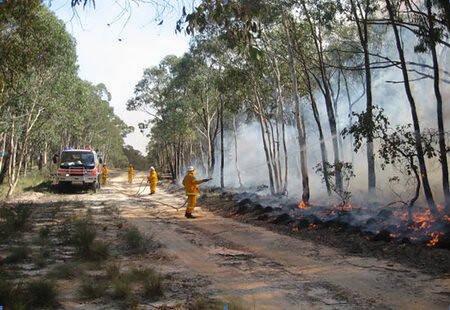
Volunteer firefighters across NSW often face exposure to toxic smoke, chemicals, and other hazardous conditions while serving their communities. “We know that bushfire smoke and other hazards are a threat to their health, but they still step up to protect the community. This reform means volunteers who unfortunately suffer cancer as a result of their service will have better cover,” Campbell said.
The following cancers will now be included under the expanded presumptive regime:
-
Cervical cancer
-
Lung cancer
-
Ovarian cancer
-
Pancreatic cancer
-
Penile cancer
-
Skin cancer
-
Thyroid cancer
-
Uterine cancer
-
Vaginal cancer
-
Vulval cancer
To qualify, members will need to meet an “activity test,” demonstrating regular engagement in firefighting activities. This system mirrors Victoria’s model and ensures both operational and hazard reduction work are recognised. The RFSA will collaborate with the NSW Government to develop clear guidelines and will also release its own resources to assist members.
“This is a significant step forward for the wellbeing and recognition of our volunteers,” Campbell said. “It’s about fairness, respect, and ensuring that those who dedicate themselves to protecting others are properly supported when they need it most.”
Add comment
Comments